1. Review the analytical documentation
A COA is only meaningful if the batch number on the document matches the batch number printed on the vial you received. Generic 'representative' COAs, undated PDFs and documents with the testing laboratory redacted tell you nothing about your material.
A credible COA shows the compound name and sequence, the batch/lot number, the analysis date, the HPLC purity chromatogram, mass-spectrometry identity confirmation against the theoretical molecular weight, and the name of the laboratory that performed the work.
- Batch number on the COA matches the vial label
- HPLC chromatogram included, not just a stated percentage
- Mass-spectrometry identity confirmation with expected vs observed mass
- Named independent third-party laboratory and analysis date
2. Understand what '99% purity' actually measures
HPLC purity is the percentage of the peptide-related material in the sample that corresponds to the target sequence. It does not measure water content, residual salts (commonly acetate or TFA from synthesis) or endotoxin. That is why peptide content and net peptide weight matter alongside the headline purity figure.
A supplier quoting 99%+ without a chromatogram is quoting marketing copy. UK Peptide publishes third-party HPLC and MS verification for every lot, with a 99%+ minimum specification across the catalogue.
3. Check where the stock physically sits
Lyophilised peptides are stable, but they are not indestructible. Repeated temperature cycling in transit degrades material long before it reaches your bench. Suppliers that drop-ship from overseas cannot control that, and a two-to-four week customs journey at ambient temperature is common.
UK-held stock at -20°C with overnight dispatch removes the variable entirely. Ask any supplier a direct question: where is the vial right now, and at what temperature?
4. Know the UK legal position
Research peptides are supplied in the UK as laboratory reagents for in-vitro research use only. They are not medicines, supplements or cosmetics, they are not licensed by the MHRA for human use, and they must not be administered to humans or animals.
A responsible UK supplier states this plainly, refuses to give dosing guidance, and restricts sales to purchasers aged 18 or over. If a website is offering protocols, 'cycles' or before-and-after imagery, it is not a research supplier.
5. Handling and storage once it arrives
Store lyophilised vials at -20°C, protected from light. Allow a vial to reach room temperature before opening to prevent condensation drawing moisture into the powder.
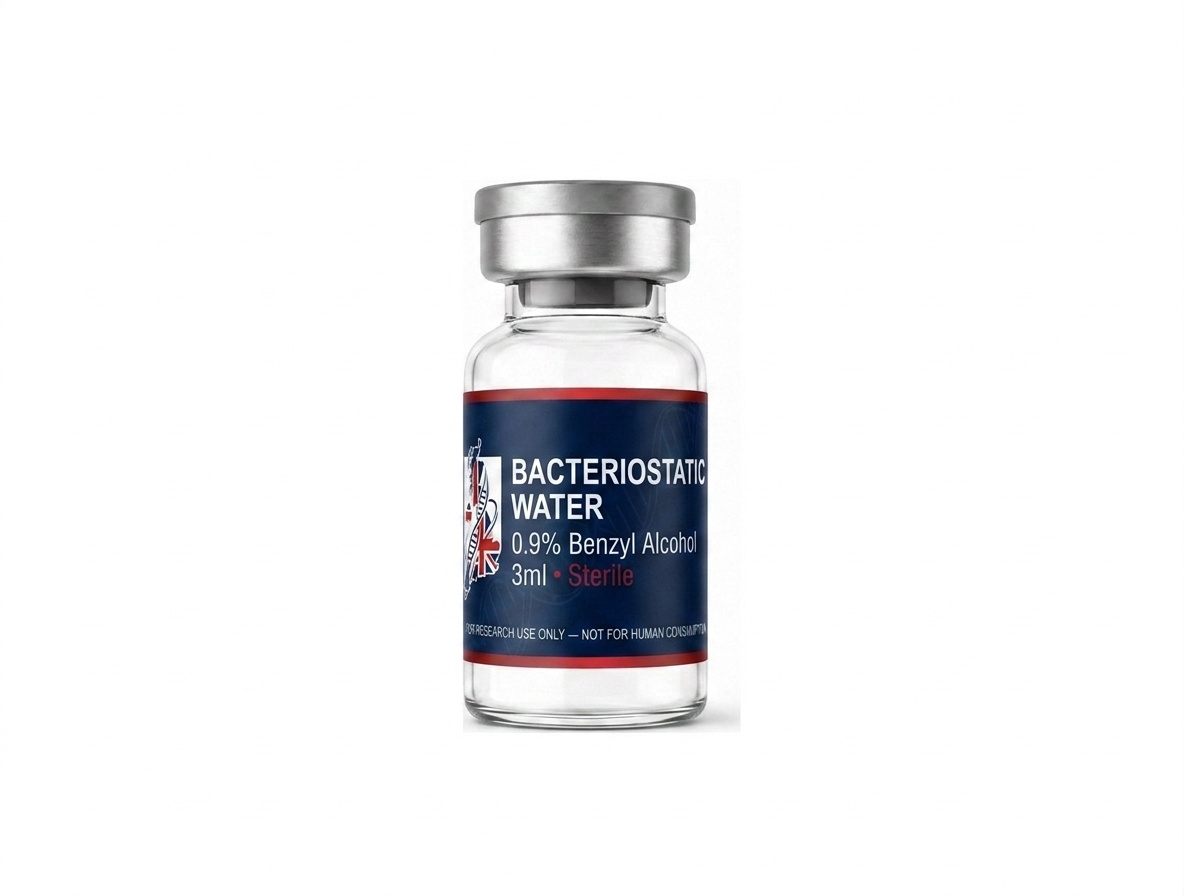
Reconstitute with bacteriostatic water (0.9% benzyl alcohol) for multi-use research vials, directing the stream down the vial wall rather than onto the pellet. Swirl gently — never shake, as agitation shears peptide bonds. Refrigerate reconstituted material at 2–8°C and use within the window stated on the product page.
Buying in the UK: what to expect from UK Peptide
Every vial is held in UK stock at -20°C in our Central London facility, so there are no customs delays, no overseas drop-shipping and no month-long waits. Orders placed before 2pm Monday to Friday are dispatched the same working day.
Express overnight delivery is £9.99 nationwide and free on orders over £200. Parcels are vacuum-sealed, gel-cooled, insulated and discreet.
- 99%+ minimum purity by HPLC, identity confirmed by mass spectrometry
- Independent third-party UK laboratory testing — never in-house self-certification
- Visa & Mastercard accepted (no American Express)
- Research use only — not for human or veterinary use. Purchasers must be 18+
Frequently asked questions
- Is it legal to buy research peptides in the UK?
- Yes — research peptides are supplied as laboratory reagents for in-vitro research use only. They are not medicines and must not be used in humans or animals. Purchasers must be 18 or over.
- How quickly can research peptides be delivered in the UK?
- UK Peptide dispatches same day on orders placed before 2pm Monday to Friday, with express overnight delivery nationwide for £9.99 (free over £200).
- What purity should I expect from a UK peptide supplier?
- A minimum of 98–99% by HPLC with mass-spectrometry identity confirmation, evidenced by analytical documentation from an independent laboratory.
Related guides
All products referenced are laboratory reagents supplied for in-vitro research use only. They are not medicines, supplements or cosmetics, are not licensed for human or veterinary use, and no dosing guidance is provided. Purchasers must be 18 or over.