Fundamentals · 4 min read
What are peptides, exactly?
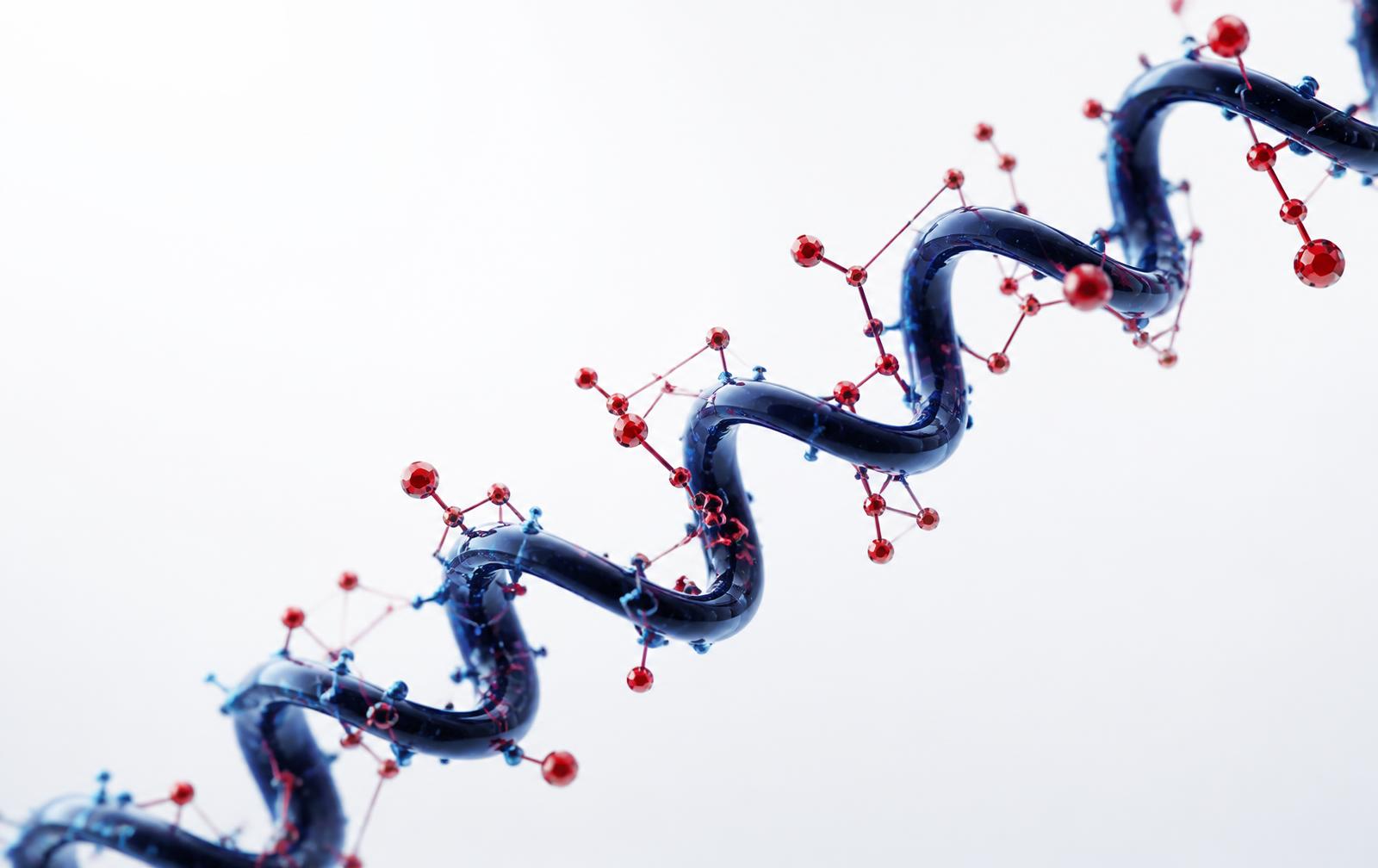
Peptides are short chains of amino acids — typically between 2 and 50 residues — linked by peptide bonds. They sit between individual amino acids and full proteins, and they act as the body's own signalling molecules: hormones, neurotransmitters and growth factors are overwhelmingly peptides or peptide-derived.
Research peptides are synthetic versions of these sequences, produced to exact specifications for laboratory study. Because a peptide's function is dictated entirely by its sequence and purity, analytical verification (HPLC for purity, mass spectrometry for identity) is the difference between a useful reagent and an expensive vial of unknowns.
All UK Peptide products are supplied lyophilised — freeze-dried into a stable powder — which pauses degradation almost entirely until the moment you reconstitute them for your assay.